co-ops
Explain stairs or elevator access, room use, storage limits and product preferences. Clear walkways and agree on reachable surfaces, kitchen and bathroom priorities before confirming time.
Kew Gardens Maid Service
Plan regular upkeep, a detailed visit or a move-out clean. Choose your supply option and tell us which rooms need attention, then request availability for your preferred date.
Online self-booking · Choose your supplies · Confirm your visit
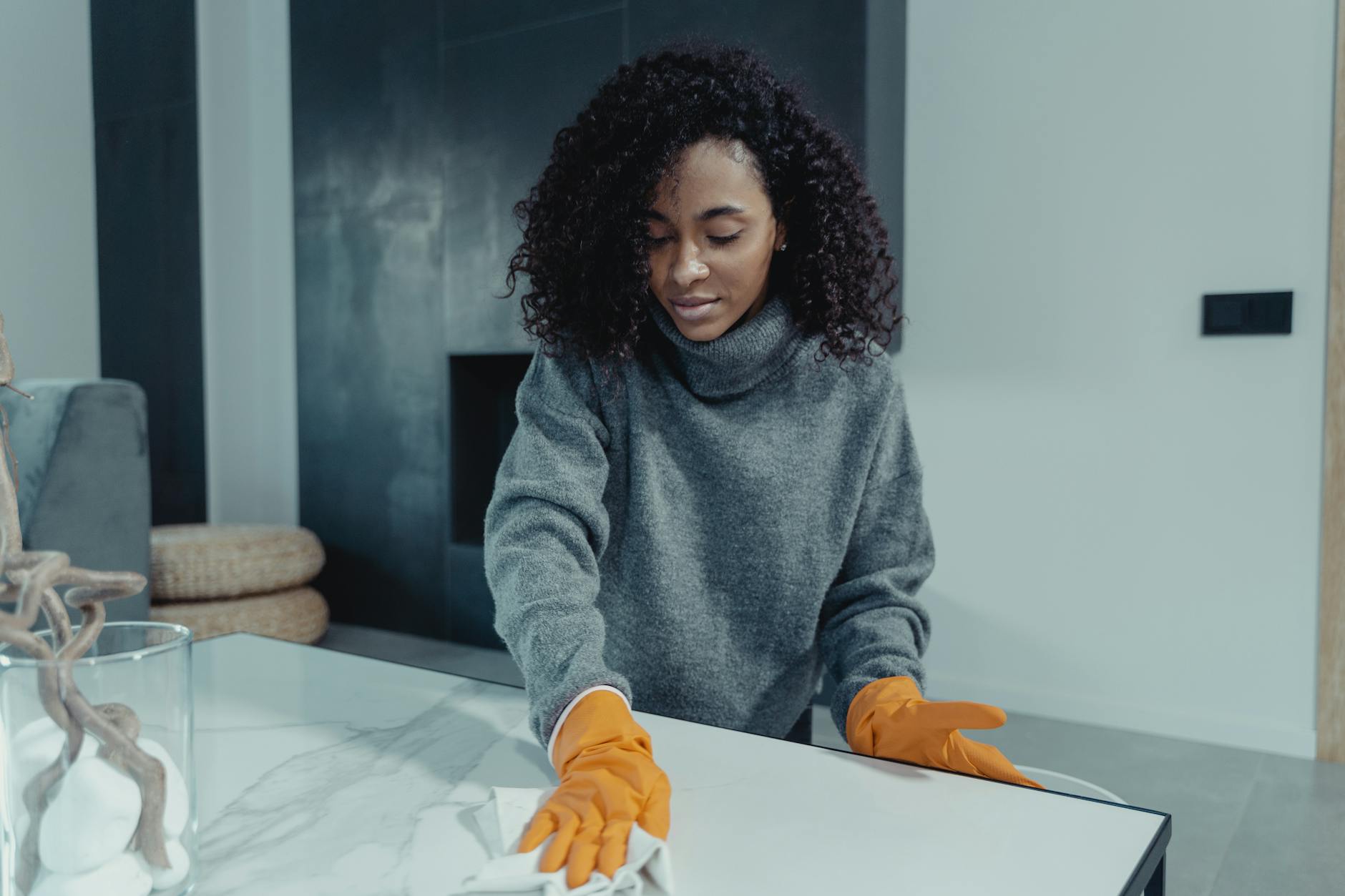
Choose the rooms and tasks that matter most for your Kew Gardens home. Share your priorities when arranging the checklist and estimated cleaner-hours.
Discuss appliance interiors, cabinets and detailed tasks separately. Cleaning does not guarantee a tenancy deposit refund or repair existing damage.
Prepare for your visit with access instructions and a checklist suited to your home’s layout.
Explain stairs or elevator access, room use, storage limits and product preferences. Clear walkways and agree on reachable surfaces, kitchen and bathroom priorities before confirming time.
List the rooms and floors to include, pet arrangements, entry instructions and the priority bathrooms or kitchen tasks. Separate basements, garages and outdoor areas from the interior checklist.
Explain stairs or elevator access, room use, storage limits and product preferences. Clear walkways and agree on reachable surfaces, kitchen and bathroom priorities before confirming time.
If you describe the location using a nearby reference such as Queens Borough Hall or Forest Park, also provide the exact street address, unit and entry instructions. A landmark alone is not enough to confirm service.
Tell the operator about stairs, elevator reservations, parking, delicate surfaces, product restrictions, pets and off-limit rooms. Ask about any building documentation before confirming the visit.
Ask for the applicable hourly rate, supply option, team size and estimated cleaner-hours for your specific checklist. Review minimum duration, any eligible discount or adjustment, payment timing and the accepted appointment terms.
Confirm whether you will provide the supplies and equipment or request them with the visit. Explain product restrictions and material-care instructions.
Two cleaners working for two hours involve four cleaner-hours. A time estimate does not guarantee that every requested task fits into the appointment.
Confirm the requested date, arrival time and safe access. Sending a message or opening the booking page does not confirm an appointment.
The linked NYC operator currently publishes $59 per cleaner-hour with client supplies, $69 with supplies included and $89 for same-day ordinary cleaning. Two cleaner-hours at those base rates are $118, $138 and $178 before applicable discounts or adjustments. Confirm the rate and terms for the requested address.
A first appointment can help establish which tasks your home needs, what preparation makes them accessible and which details belong in a future request. Use this guide to turn a changing household into a clear, repeatable cleaning plan.
The NYC Maid is a New York City–based cleaning services company and the operator of this local website. Kew Gardens Maid Service describes the service information presented here; it does not create a separate neighborhood company, office or independently reviewed branch. The company identified in the booking process reviews your request and confirms the appointment arrangement it can accept.
Use the online booking form to describe the actual property, requested timing, supply choice and cleaning purpose. Keep the distinction between asking for a visit and receiving confirmation. The form gathers your request. The operator still needs to assess the work and availability, and any necessary clarification should be resolved before you rely on the arrangement.
In this guide, a baseline means an understandable record of the ordinary cleaning tasks, access and preparation that work for your home. It is not a guarantee that every surface will look new or that one appointment will resolve every household project. A useful baseline identifies what was accepted, what was accessible and what you would want assessed differently next time.
This approach can be helpful after moving, changing the way a room is used or deciding that an existing household routine needs improvement. You do not need to invent a large project to justify ordinary maintenance. Describe the actual condition and choose the tasks that matter. The operator can assess a clear request more reliably than a broad expectation that the whole property should be transformed.
The resident chooses what to retain, where personal items belong and which rooms may be entered. The cleaning company assesses ordinary work it can provide. Repairs, specialist treatments and personal organization are different questions even when they concern the same home. Separating those responsibilities makes the appointment easier to understand and avoids asking the cleaner to infer decisions the household has not made.
The scenarios later in this guide are hypothetical planning examples, not actual customer stories or estimates. They show how information changes a request. Your property needs its own assessment under current terms. Use the examples to prepare a more accurate description, while leaving the actual appointment and accepted checklist to the operator’s confirmation.
Start with the reason you want help. You may want the kitchen and bathroom maintained, accessible floors addressed or specific additional detail considered. Write that purpose in one sentence. It gives the request a center and makes it easier to decide whether the operator’s proposed scope meets the need. Without a clear purpose, a room count can conceal which work actually matters most.
Then separate three lists: essential tasks for the next visit, additional tasks you want assessed and areas excluded from the request. Do not combine every future household wish into one undifferentiated list. The operator needs to know the actual priorities. If the kitchen is essential and a cupboard interior could wait, say so rather than privately treating every item as equally necessary.
“Clean the accessible bathroom fixtures” and “address the cleared kitchen surfaces” describe recognizable work. “Make the home perfect” does not establish a boundary. You do not need to prescribe a professional method you cannot verify; name the surface, condition and relevant care restriction. The company can assess an appropriate ordinary task without being asked to guess what an unlimited phrase means.
A baseline can also record exclusions deliberately. A home office may stay private, a display may remain untouched and a storage room may hold displaced belongings. These are not failures of the plan when they are accepted limits. The record should reflect the home you are actually preparing, not an imagined version in which every object and surface is accessible.
A first appointment is not automatically a larger service than a later one. Describe the condition honestly and ask the operator to assess the work. If heavier buildup or several interiors need attention, identify them separately. Do not assume “first clean” means every possible detailed task is included regardless of time, supplies or access.
Similarly, do not minimize condition to make the request appear easier. A cleaner arriving for accessible maintenance should not find an unassessed sorting or moving project. Give the company accurate information and choose priorities where needed. A smaller clear arrangement can establish a useful baseline, while an undefined promise can leave both the resident and cleaner working from different expectations.
The record should help you notice when the property changes. A new fixture, a different room use or a new access restriction can make old instructions inaccurate. Update the relevant detail instead of repeating the same request mechanically. Consistency is useful when it preserves a practical arrangement; it is not useful when it conceals a condition that no longer exists.
After the first visit, you can decide which accepted tasks should repeat and which additional work needs a separate request. That does not reserve future availability or guarantee a particular cleaner. It gives you a clearer next inquiry. The operator still needs to confirm the actual arrangement each time the scope, timing or property conditions require review.
A useful home record can fit into a few headings: rooms, accessible surfaces, material instructions, preparation and exclusions. It does not need to catalogue every possession. Focus on details that change the ordinary cleaning request. A named floor restriction, a cupboard that will remain full or a private room matters more than a lengthy description of how the household acquired its furnishings.
For each room, identify the accessible work you want considered. Explain what will remain in place and what you will clear. A bedroom with a private desk has a different checklist from a completely cleared room. A kitchen with occupied counters differs from one prepared for surface work. The room label provides orientation; the condition and preparation describe the actual task.
Identify materials where you know them and keep manufacturer or installer instructions available. Say where composition or finish is uncertain. A surface that resembles wood or stone may have care requirements you cannot establish by appearance. Do not invent a material name to make the description sound complete. An honest limit allows the operator to assess suitable ordinary work or an exclusion.
Link each important restriction to a recognizable surface. “Use the labeled product on the named floor” is more useful than “everything needs special care.” If a feature needs specialist treatment, keep that request separate from ordinary cleaning. A cleaner should not be expected to experiment across a visible area or use progressively stronger products to identify what works.
Existing cracks, loose fittings, damaged finishes and leaking fixtures should be described where they affect the work. The purpose is to establish the starting condition and a practical limit, not to turn the appointment into a dispute. Ordinary cleaning may address accepted accessible dirt without repairing the material or installation. Notify the responsible maintenance contact separately for an underlying fault.
A photograph can clarify a working area, heavier condition or awkward access. Avoid including private documents or unnecessary personal information. Add a short explanation of the task the image is meant to show. A picture does not identify every material or prove that a treatment is suitable, so state uncertainty in words rather than rely on the company to infer it.
The operator needs functional instructions, not every personal detail about the household. You can identify a private room, an accessible route or a specific time restriction without explaining a resident’s full circumstances. Keep sensitive documents and valuables under your own handling arrangements. Do not ask the cleaner to decide where personal material should be stored.
Use an accepted private method for entry credentials rather than include them in a public review or openly shared note. Keep the service record focused on scope and preparation. A clear record makes the next request easier while respecting the distinction between information the company needs and information the household should manage separately.
Start with accessible counters, the sink, agreed appliance exteriors and the reachable floor. Then identify any interior work separately. A kitchen can look organized while cupboards remain full or an appliance contains items the household has not decided how to handle. The operator needs the actual accessible scope rather than a general phrase that might mean either surface maintenance or extensive interior work.
Clear the counter sections you want cleaned and choose where their contents will wait. Move medicines, correspondence and objects requiring personal care. If a surface must remain occupied, explain what stays and request an appropriate limited task or exclusion. Do not assume the cleaner can reorganize the kitchen to make the surfaces available while also completing the accepted cleaning list.
If dishes will remain in the sink, tell the operator. A general kitchen category does not establish an unlimited washing-up service. Explain what the household will clear and ask about any defined additional handling you want considered. An occupied sink affects access even when the rest of the room is ready, so make that condition visible before the appointment is assessed.
Set aside items needing particular care and obtain their instructions from the responsible person. Do not ask the cleaner to determine whether a pan or object can tolerate a product by appearance. Where a method is uncertain, leave the item out until reliable guidance is available. The baseline should show which ordinary surfaces can be maintained without making the cleaner responsible for diagnosing every household object.
If a refrigerator interior matters, identify the accessible parts and what food will remain. The household should make disposal and food-safety decisions before the visit. A cleaner should not judge an unlabeled container’s safety or infer ownership. An occupied interior offers a different working area from an empty one, and the company needs to know which condition you will provide.
Request oven or microwave interiors explicitly and describe their condition, including any product already applied. Do not assume an interior is included simply because the appliance is in an accepted room. The operator must assess preparation, supplies and the actual task. A mechanical fault or repair issue should go to the appropriate service rather than be described as ordinary cleaning.
After the appointment, note which preparation made the kitchen work accessible. Perhaps one shelf needs to be emptied for a later request or a product label needs to be clearer. Keep the lesson specific. A future task can be added deliberately instead of silently expanding the routine checklist. That helps maintain a useful baseline without claiming every kitchen project belongs in every visit.
When reviewing the result, compare accepted exteriors and accessible surfaces with the work completed. A full cupboard interior that was excluded is not the same as an agreed cleared counter. If a concern relates to an accepted task, describe its location and observed condition to the operator. Keep new requests separate so each issue can be reviewed on its actual facts.
List the fixtures and reachable surfaces you want addressed in each bathroom. Explain their condition and what personal items will be removed. A shower, bathtub, vanity, toilet and accessible floor are recognizable tasks. The word bathroom alone cannot show whether you expect ordinary maintenance, added interior storage work or correction of an existing property fault.
Move toiletries, medicines and private items from agreed working areas. Choose where they will wait and replace them yourself afterward unless a specific handling task has been accepted. The cleaner should not decide which products belong to which resident or whether a personal item may be discarded. If a surface cannot be cleared, describe the accessible portion or mark it excluded.
Keep known care instructions for a counter, fixture finish or screen available. A product suitable for one bathroom material may not suit another nearby surface. State uncertainty honestly rather than ask the cleaner to diagnose composition from appearance. A limited ordinary task or exclusion may be appropriate while you obtain reliable guidance from the responsible owner, installer or manufacturer.
Describe existing damage, loose fittings and failing sealant before the appointment. Those conditions can affect what work is accepted. Cleaning can address ordinary accessible dirt without repairing an underlying problem. Report maintenance separately to the appropriate contact. Do not ask the cleaner to conceal a defect or try an improvised treatment because you want the baseline room to look newly installed.
If someone needs the bathroom at a particular time, tell the operator before the sequence is assessed. You can give the functional requirement without sharing unnecessary personal health information. The room needs a workable access window for accepted tasks. Do not assume the same checklist can proceed unchanged while the bathroom remains in continuous use.
Follow the accepted method’s drying and handling instructions after floor work. If a route must remain available without interruption, explain that practical need in the initial request. The operator may assess another order or a narrower scope. A clear instruction is more useful than expecting the cleaner to discover the access conflict after starting the room.
The baseline should identify agreed tasks and visible starting limits, not promise the removal of every mark. Wear, scratches and permanent damage may remain after ordinary cleaning. Compare the completed visit with the actual accessible checklist. If you have a concern, identify the surface and accepted task in your communication rather than use an undefined expectation that the entire bathroom should look new.
Describe sewage, significant water damage, suspected hazardous material or another specialist concern before requesting work in the area. Do not present it as routine maintenance. The company may decline or limit the task. Obtain appropriate qualified assistance for the underlying issue and request ordinary household cleaning only when the property is suitable for it.
A floor checklist should identify the rooms, known materials and objects that affect access. Explain which furniture will remain fixed and what the household will move beforehand. Do not hide an unassessed lifting task inside a request to clean the floor. The operator needs to know whether the work concerns accessible space or moving a large item to reach a surface beneath it.
Clear loose belongings, shoes and cables from the working route. Choose a holding area that does not block another accepted room. If a room becomes temporary storage, identify it as excluded or describe its accessible portion. A deliberate compromise can be practical in a smaller home, but the request should not imply full access everywhere while belongings occupy the intended working areas.
Surface vacuuming, moving a rug and cleaning the floor below it are separate tasks. State which request you mean and describe any furniture resting on the rug. A heavy rug or fragile edge can make movement unsuitable for the appointment. Do not assume routine service includes lifting furniture or carrying rolled materials through the property. Ask the operator about any additional handling.
Where materials meet at a threshold, provide the relevant care instruction for each side. A single direction to treat every floor identically may not fit the property. Keep a supplied product labeled and identify the surface it belongs to. If the finish is uncertain, say so and ask what ordinary work can be accepted without experimentation.
Decide whether shelves and tables will be cleared, cleaned around or left untouched. Objects on a surface and the surface itself are separate handling questions. For artworks, antiques or specialist materials, obtain suitable guidance before requesting treatment. Ordinary dusting is not conservation. The cleaner can leave an item untouched while carrying out accepted work on other accessible areas.
If a display must remain arranged, acknowledge that some parts may remain inaccessible. A photograph can help you replace your own objects after clearing a shelf, but it should not silently create a cataloging task. Keep personal organization decisions with the household. The baseline should describe a repeatable accessible task rather than depend on the cleaner interpreting every object’s significance.
Tell the operator which rooms people will need during the appointment. A person working from home, a sleeping resident or a pet staying in one room can affect the sequence. Describe the functional restriction before confirmation. The company can assess a realistic arrangement rather than expect the cleaner to coordinate several household routines while completing the original checklist.
After the visit, note practical route improvements. Perhaps a mat should stay fixed, a chair should be moved by the resident or a room should remain excluded while it holds belongings. Useful observations help the next request. Do not convert a single workaround into a permanent assumption about future flexibility; keep important changes in the operator’s actual appointment notes.
For each bedroom, identify accessible surfaces and floor areas. State whether a desk, wardrobe or other storage should remain untouched. A room category does not automatically include laundry, bedding changes or sorting personal belongings. Ask about any additional handling task specifically and describe the preparation you will provide if it is accepted.
Move private papers, medicines and valuables away from agreed working surfaces. Choose their location yourself rather than ask the cleaner to decide where sensitive material belongs. If another resident occupies the room, obtain their agreement and practical instructions before including it. A booking made by one household member does not automatically authorize entry into every private area.
If a bed-related task matters, pose it separately from ordinary bedroom surfaces. Explain which items will be set out and what should remain in place. Do not assume the cleaner will search cupboards, choose between sizes or operate laundry equipment. Those are different activities with their own time and handling requirements, and the operator must assess whether an appropriate arrangement is available.
Where a specific linen task is accepted, keep clean and used items recognizable and make the intended bed clear. The task should have a defined beginning and end rather than depend on several household decisions during the appointment. If it is not accepted, keep it on your own preparation list while the cleaning visit focuses on the agreed room checklist.
Tell the operator if a working desk or equipment setup should remain untouched. Identify cables and items that must stay connected. An accessible floor nearby may still be considered, but a narrow route full of equipment can limit that task. Ordinary dusting does not establish authority to reorganize documents or clean inside electronic devices.
If a resident will be working in the room, choose an access window or an exclusion before the appointment. A vague request to work quietly is not a complete plan for cleaning around calls. The company needs the actual functional restriction. If uninterrupted quiet is essential throughout the home, request a different suitable window and wait for confirmation rather than assume every task can occur silently.
You may decide that private bedrooms are outside the first visit while shared rooms establish the main checklist. That can be a useful request when it is stated clearly. Do not later review the appointment as though excluded bedrooms were missed. The baseline records what was actually accepted so future requests can add or change rooms deliberately.
If preparation or permission changes, contact the operator. Do not silently replace an excluded room with a much larger task or ask the cleaner to negotiate a new scope independently. The company assessed a particular arrangement. A revision may be manageable, but it needs the same clarity about work, supplies and timing as the original request.
Read the supply choices in the current booking process and select the arrangement you want assessed. If you provide products and equipment, confirm what is expected for the accepted work. An assortment of bottles in storage is not necessarily a usable setup. The useful preparation is an appropriate labeled set, accessible to the cleaner and matched to the actual surfaces.
Keep products in original containers where possible and make instructions readable. Link a restriction to a named surface. Do not leave an unmarked container and expect the cleaner to identify its contents by smell. If you are uncertain what a product is, leave it out and ask about a suitable alternative before the appointment. More supplies do not resolve uncertainty about their use.
Check basic operation of a supplied vacuum or other accepted item and keep relevant attachments together. Make it accessible without searching private storage. Tell the operator promptly if equipment becomes unavailable. A revised supply arrangement may need review, or an accepted task may need to change. Discovering the fault after arrival can affect the useful work possible during the visit.
Describe property access relevant to bringing equipment, including stairs or a narrow route. Do not assume a supply option automatically includes every carrying or handling condition a home might present. The company needs the actual information to assess the request. If the route cannot be prepared, disclose that limit rather than expect improvisation on arrival.
If an unscented arrangement or avoidance of a named ingredient matters, state the practical restriction and ask whether it can be accommodated. Broad descriptions such as natural or green do not define a complete method or establish suitability for every surface. Readable product directions and actual care instructions still matter to the accepted work.
Communicate sensitivity needs without expecting a medical guarantee from ordinary cleaning. Individual circumstances differ. Obtain relevant guidance from an appropriate professional or manufacturer for questions beyond the service, then give the operator the concrete restriction it needs to evaluate. If the condition cannot be met, choose a narrower checklist or another suitable arrangement rather than assume a universal assurance.
After the first visit, note which supplies and equipment supported the accepted work and where they were kept. A small practical list helps prepare another request without buying a large range of uncertain products. Do not treat the baseline as a reason to keep every old bottle indefinitely. The important question is whether the current setup fits the current surfaces and confirmed arrangement.
Update the record when a surface or product changes. A familiar room may now need a different care instruction. Tell the operator about relevant changes before assuming the old method applies. A private household note does not automatically update the company’s instructions, so use the normal booking process for restrictions that affect the visit.
Give the complete address, apartment identifier and correct entrance. State who will admit the cleaner or describe the accepted authorized alternative. An address is not a full access arrangement if nobody can open the door. Confirm the contact’s availability and authority rather than assume naming them in the form settles permission.
Ask the building’s responsible contact about service-visit requirements. Do not rely on another property’s procedure or a neighbor’s informal memory. If documentation, a specific route or a reservation is required, obtain the actual condition and give it to the operator early enough for review. The company must assess what it can accommodate; you should not promise compliance on its behalf.
Use an accepted private channel for entry details rather than place them in a public review or open post. Check that a temporary arrangement’s hours match the confirmed visit. If someone else holds a key, obtain their agreement and define collection and return. The cleaner should not have to negotiate release of a key with a person who did not know they were part of the plan.
Identify who can resolve a problem if the expected entry fails. A backup should have real access or authority, not simply be another name to call. If the arrangement changes, contact the operator promptly. Do not assume the cleaner can wait indefinitely or return later; the applicable appointment terms still matter and a revised arrangement may need assessment.
The contact should understand the confirmed checklist and important restrictions. If someone else will be present, give them the same version. A friend or representative should not introduce another scope based on their own preferences. The household can decide personal priorities, while the company needs one coherent accepted arrangement.
If nobody will be present under an accepted arrangement, remain reachable as agreed and leave concise matching instructions. Silence is not permission to open private storage, discard possessions or experiment on an uncertain finish. Unresolved tasks may need to stay excluded until clarification is available. Clear boundaries should remain usable without the resident standing nearby.
Explain the accepted key-return and departure process. A resident-controlled step may need someone available at the end as well as the start. The cleaner should not be expected to diagnose an unfamiliar lock or choose settings on a property system without a clear instruction. Keep the exit route available while equipment is removed.
Afterward, manage temporary access permissions through the household’s appropriate process. Retain useful directions for future requests while keeping credentials out of unnecessary shared documents. The baseline should make the practical arrangement easier to understand, not distribute private access information more widely than needed.
Before arrival, compare the accepted request with the home’s actual condition. Check whether rooms are available, agreed interiors are prepared and supplied equipment is accessible. If a material part has changed, tell the operator. The point is not to make the property look better than it is; it is to ensure the cleaner arrives for the work the company assessed rather than a different task.
If someone will be present, prepare a short orientation that matches the confirmation. Point out the essential priority, supplies and important exclusions. Do not use the tour to introduce another list of work. A clear brief should help the cleaner identify what is already agreed, while proposed changes go through the operator’s normal process for review.
Notice whether the accepted surfaces are easy to identify and access. If a product label or room description creates uncertainty, clarify the specific detail. You do not need to supervise every movement or invent a new method. The useful observation is whether the request gave the company accurate information and whether your preparation made the accepted task practical.
Keep a short note of any preparation lesson for another visit. Perhaps a counter should be cleared more fully, a shelf should remain excluded or equipment should be stored in a better place. Record the practical issue rather than a broad judgment that the entire plan was wrong. A baseline can improve through specific information without turning ordinary service into a household audit.
If you notice another task, contact the operator about it. State whether you want to replace optional work or expand the request. The company may need to review timing, supplies and later commitments. The cleaner should not be asked to independently renegotiate the appointment while also carrying out the accepted checklist.
The same applies when access disappears. If a resident begins a call in an included room or boxes block a prepared area, explain the change. Do not assume a larger task elsewhere can be substituted automatically. A revised arrangement may be possible, but it needs clear agreement rather than an improvisation based on whatever space happens to be available.
At the end, begin with the essential tasks and any agreed additional work. Note exclusions and conditions raised during the visit. An accessible accepted surface that appears untouched is a different concern from an interior that was never included. Keep the distinction visible so the operator can review an actual issue rather than several different interpretations of a general cleaning label.
The first visit’s record should show what was requested, accepted and accessible. It should not claim that every household project is now resolved. Future requests can use the information to be more precise. The value of the baseline is knowing what ordinary arrangement works for this home, not pretending a single appointment establishes permanent availability or an unlimited standard.
After the first visit, identify the tasks you would want assessed again under similar conditions. Those form the maintenance list. Keep it short enough to recognize: accepted bathroom fixtures, cleared kitchen surfaces and accessible floor areas are examples of task descriptions, not a promise that every property receives the same scope. Your actual list should reflect the arrangement confirmed for your home.
Create a separate list for occasional detail. This may contain a cleared shelf, reachable trim or an agreed interior you did not request initially. Do not silently add the whole list to every routine appointment. Each additional task needs its condition, preparation and possible effect on the arrangement reviewed. A maintenance label should not hide steadily expanding work.
Write what makes the detail different: it may require a shelf to be emptied, an appliance to be prepared or a room to be unavailable for another activity. This preparation information is more useful than a vague instruction to “do more detail next time.” It helps you decide when the household can provide the conditions needed for the operator to assess that task.
Do not assign a universal frequency based only on a room name. Households use rooms differently, and the condition must be described when work is requested. Your own observations can guide which task matters next. The company still needs to assess the actual request rather than assume a fixed calendar proves the work is appropriate or can be accommodated.
If the maintenance list remains useful, you may ask about one specific detail rather than replace it with a broad deep-cleaning phrase. Explain the additional surface and condition, then ask the operator to assess the arrangement. This makes the requested change visible. It does not guarantee that extra work fits the same appointment; it simply provides a clear proposal.
If several details become essential at once, say so and request assessment of the complete scope. Do not call them optional while privately expecting all of them. A truthful priority order helps you decide whether a proposed arrangement meets your needs. The operator may suggest another scope or be unable to accommodate the request under the desired conditions.
Mark completed detail with the actual date of the accepted work and a useful note about preparation. Do not invent a completion entry because a task was merely discussed. Keep future ideas separate from confirmed work. A simple factual record can prevent a household from repeatedly requesting the same unclear item or assuming something was done when it was excluded.
Review the record when the home changes. A newly used room, a replacement surface or a different household schedule may alter the maintenance list. The baseline should support accurate requests, not preserve an outdated routine. Communicate changes through the operator’s booking process and wait for confirmation of the arrangement being requested now.
Read the current booking terms, rates, supply choices, minimums and any applicable offer conditions. Do not rely on an earlier estimate for another property or a search snippet that may omit important detail. The proposal should be understood alongside the actual checklist. A price alone cannot show whether a kitchen exterior task and several prepared interiors are being assessed under the same arrangement.
If a team is proposed, ask how cleaner count, clock duration and total cleaner-hours relate to the estimate. As a mathematical illustration only, two people each working for two hours contribute four cleaner-hours during that period. This is not a quote or a statement of the company’s service minimums. Confirm the real arrangement through the current booking process.
If you have a firm limit, state it and identify the essential tasks. The operator can assess whether a narrower suitable arrangement is possible. It may also be unable to accommodate the request within that limit. The useful result is a clear answer before the appointment, not an assumption that an undefined amount of work will fit because a total was entered or mentioned.
Do not hide heavier condition to make a request sound easier. Describe the work and consider which preparation you can complete or which area could be excluded. The cleaner should not arrive for an unassessed task simply because the form contained a smaller description. Accurate scope information protects your expectations and lets the company evaluate the actual property.
If the response differs from your intended purpose, ask about the specific gap. An accepted arrangement may not include every note in the first request. Read clarification questions and proposed limits rather than assume a reply means unconditional acceptance. You need to know whether the essential outcome is part of the arrangement before relying on the visit.
Keep the accepted version with the original request and confirmed updates. If several messages contain different room lists, resolve them into one clear instruction. The person present on the day should have the actual accepted checklist rather than an early proposal. This makes both the visit and the completion review easier to assess.
A prior appointment can provide useful preparation lessons without establishing permanent terms or availability. When booking again, identify what should repeat and what has changed. Read the current process. Do not assume the same cleaner, time or estimate is reserved simply because an earlier arrangement worked.
If a new task is added, explain its condition and preparation. If a room is no longer accessible, identify the limit. The baseline makes this communication shorter because the unchanged useful information is already organized. It should not make the company assess a changed property as though nothing has happened since the previous visit.
These cases are planning illustrations rather than actual appointments, quoted prices or promised durations. They show how purpose and preparation change the request. Your property needs assessment under current terms and actual availability. Use the examples to identify useful information, not to assume the same arrangement or result will be available for your address.
A resident has moved into a home but still has boxes in the bedroom. They want the kitchen, bathroom and accessible common floor addressed first. Their initial phrase, “clean the whole apartment,” does not match the preparation they can provide. A clearer request names the shared-room tasks and excludes the box-filled area until it can be prepared for another assessment.
The resident locates care instructions for known surfaces, chooses the supply arrangement in the booking process and confirms how entry will work. They do not assume a move-in label includes moving all remaining belongings or cleaning every occupied interior. The operator receives the actual condition rather than the state the resident hopes to achieve later.
After the visit, the resident records the accepted shared-room checklist and notes which bedroom preparation remains. A later request can add that room when it is accessible. The baseline is useful because it establishes a real ordinary arrangement now without claiming the entire moving project is complete. Future availability still needs confirmation.
A household has been requesting broad cleaning without writing down its priorities. Different residents expect different work. Before the next request, they agree that kitchen surfaces, bathroom fixtures and accessible floors are essential, while several storage interiors are future ideas. They designate one contact and keep private-room permissions clear.
The household asks the operator to assess that actual checklist. It does not assume every future idea fits the appointment. The person present receives the confirmed version and avoids introducing another scope on arrival. During review, residents compare the work with the accepted tasks rather than their separate memories of a vague household conversation.
Their baseline record contains the useful recurring scope and the preparation needed to support it. Optional detail remains separate until requested. The example shows that clarity can improve a routine without inventing a larger service or a fixed schedule. The company still needs to confirm the arrangement under current conditions.
A resident has turned a spare room into a home workspace. A desk, cables and equipment now occupy an area that was previously mostly clear. Repeating the old room description would hide the changed access. The resident identifies the desk as untouched, prepares the accessible route and asks the operator to assess the remaining ordinary floor and surface work.
If calls make the room unavailable during the preferred window, the resident explains that functional restriction. They do not assume the cleaner can work silently around every activity or extend the appointment when a meeting ends late. The actual sequence is assessed before confirmation. Private papers and equipment remain under the resident’s own handling arrangements.
Afterward, the baseline is updated for the room’s current use. The old fully accessible description is retired rather than kept because it once worked. The useful lesson is that a household record should follow the actual property. It should make a changed request easier to understand, not conceal change behind a familiar room name.
A resident wants a cupboard interior cleaned but has not decided what to retain from its contents. The interior is not yet an accessible cleaning task. The resident keeps that item on a future-detail list and requests ordinary maintenance elsewhere. They do not ask the cleaner to decide what belongs in the cupboard or what should be discarded.
When the household is ready, it empties the agreed area and describes the interior’s condition to the operator. The added task is assessed explicitly rather than hidden inside routine kitchen cleaning. If some contents must remain, that limit is stated honestly. The company can evaluate the actual preparation rather than assume an empty interior.
The completed record distinguishes the original maintenance visit from the later detail request. It shows what was accepted and when, without inventing a claim that the cupboard was addressed earlier. This example demonstrates the value of separating cleaning from personal sorting and making added work visible before the appointment.
For an important task, keep four short fields: requested work, preparation, permission and review. This is not a technical specification or a contract template. It is a household planning aid that helps you separate the task from the conditions needed to make it accessible. The operator’s actual accepted arrangement remains the basis for the appointment.
Under requested work, name the room and surface. Under preparation, say what you will clear or provide. Under permission, identify any private area or property requirement that must be resolved. Under review, note the observable task rather than an unlimited expectation of perfection. You can then see which part remains uncertain before submitting the request.
A hypothetical record could name an accessible shelf surface as the requested work, the resident’s removal of its objects as preparation and an exclusion for the display items themselves. The review concerns the accepted cleared surface, not treatment of every object that used to stand there. This separates ordinary cleaning from personal handling and avoids an assumption that the cleaner will catalog the collection.
If the shelf remains occupied, update the preparation field and tell the operator how access differs. Do not keep the empty-surface description merely because it sounds simpler. The company can assess cleaning around items or an exclusion where suitable. The record’s value comes from accuracy, not from making every task appear ready before the household has completed its own decisions.
A refrigerator-interior record should identify the actual accessible parts and who will handle food. The household decides what to keep or discard and explains which contents remain. The operator assesses the ordinary interior task, not food safety or ownership. The review should compare the accepted accessible work rather than assume the appliance was empty if it was not.
If the task needs another product or preparation step, clarify it before confirmation. Do not assume the general kitchen category settles it. Keeping the interior as a separate record makes the added work visible and helps distinguish it from routine exterior cleaning. The same planning logic can apply to another agreed storage interior without claiming every task is automatically available.
A home-office record may identify accessible floor work while excluding the desk and equipment. Preparation covers the working route and any cable restrictions. Permission comes from the resident responsible for the room. The review concerns the accepted accessible area, not reorganization of documents or internal cleaning of electronic equipment.
If the room will be used for calls, add the functional window or exclusion before the operator assesses the request. The cleaner should not discover a moving schedule while carrying out a fixed checklist. A concise record shows whether the task is actually available and makes any later revision easier to communicate without rewriting the entire household plan.
You do not need a separate long record for every ordinary surface. Use the structure where uncertainty or additional preparation matters. A few clear entries can be more useful than pages of repetitive notes. The goal is to make the request understandable, not create paperwork that prevents you from preparing the home or obscures the essential work.
After an accepted task is completed, record only the practical lesson needed for future preparation. Keep new ideas separate from confirmed work. The baseline should remain a factual aid to the next request. It does not replace the operator’s confirmation or establish permanent terms merely because the household has written a careful list.
If interior glass or mirrors matter to the request, name the specific surfaces and their access. “Do the windows” can imply exterior work, screens, tracks and fixtures beyond ordinary interior cleaning. The operator needs to know which task you mean. Do not assume a broad room checklist includes every glass surface simply because it is visible.
Keep exterior or difficult-height work separate. Do not ask the cleaner to lean outside, stand on furniture or improvise access. Explain high ledges, awkward corners and fixtures over stairs before scheduling. The company must assess what is appropriate for the appointment and available equipment. A surface being visible does not establish that it is safely reachable.
Move small objects from an agreed sill or the area in front of a mirror yourself. Identify blinds, curtains or fittings that should stay untouched. A heavy item blocking the surface is a condition to disclose, not an automatic moving task. If the access cannot be prepared, ask whether the feature should be excluded or considered under another suitable arrangement.
Share relevant care instructions for glass coatings, backing or surrounding materials where known. Do not assume a product suitable for ordinary glass is appropriate for every nearby finish. State uncertainty honestly and obtain suitable guidance for specialist features. The baseline should record an accepted ordinary task rather than a request to test products until the surface looks new.
Reachable trim, shelving and other detail can be requested as named additional tasks with their condition and preparation. Avoid adding an undefined amount of detail to every maintenance visit. The operator needs to assess the actual work. If a task is optional, say so honestly; if it is essential, keep that priority visible in the request.
At review, distinguish accessible accepted dirt from scratches, damage or permanent marks that ordinary cleaning cannot be assumed to correct. If a concern relates to an agreed task, describe it specifically to the operator. Keep restoration or repair questions separate so the company can evaluate the issue without an unsupported expectation that every visible defect belonged to the cleaning checklist.
Explain who will be present and which functional restrictions affect access. A person working, sleeping or needing a route through the property may change the sequence. You do not need to share unnecessary private details. Name the room, available window and practical condition the operator needs to assess before confirming the appointment.
Settle private-room permissions within the household. One resident’s booking does not automatically authorize handling another person’s belongings. If agreement is unclear, exclude the area until instructions can be resolved. Give the person present the actual accepted checklist so the cleaner does not receive competing versions from different household members.
Tell the operator about animals before the visit and identify where they will stay. Arrange appropriate supervision or containment yourself. Explain doors that must remain closed and rooms that will be unavailable. Ordinary household cleaning does not become a pet-care service because an animal is present, and the cleaner should not need to improvise a plan while carrying equipment.
Move bowls, toys and bedding from agreed working areas unless a specific handling task has been accepted. If hair or another condition is important to the request, identify the surfaces involved. Floor work, upholstery and animal bedding are different tasks. Do not assume a general room request guarantees complete removal from every material or establishes specialist treatment.
Make your own arrangements for anyone needing supervision or assistance. You can state an accessibility requirement without asking the cleaner to provide another service. The operator needs the functional restriction affecting the checklist, while the household remains responsible for care. Keep that distinction visible so the appointment does not acquire unassessed responsibilities on arrival.
If circumstances change, contact the operator about the effect on access or timing. Do not assume the cleaner can extend the visit or substitute a materially different task. The baseline is a record of an accepted arrangement, not a promise of unlimited flexibility. Update it when the real household changes so the next request remains useful.
Choose who will review the accepted work and ensure that person has the actual checklist. Begin with essential tasks and note any access limitation raised during the appointment. A concern about an agreed cleared surface differs from a new wish to address an excluded interior. Keep those categories separate so the operator can review the issue on its real details.
If you have a concern, identify the room, surface, accepted task and observed condition through the company’s communication process. A photograph can help locate it if it avoids private information. Do not assume a remedy or timetable before the operator has reviewed the matter. The first useful step is a factual account rather than a broad statement that the home did not meet an undefined standard.
Preserve a clear account and contact the operator rather than trying several treatments yourself. Explain when the condition was noticed and what you know about the starting point. Avoid diagnosing a cause you cannot support. Relevant communication should remain together so a specific concern can be investigated separately from new tasks or unrelated property issues.
The baseline can include starting-condition notes, but it should not be used to manufacture certainty after the fact. Record what was actually known. If a condition is uncertain, say so. Honest limits are more useful than a confident narrative built on assumptions, especially when the company needs to distinguish an existing feature from a newly reported concern.
Update preparation, care labels and room access where the appointment revealed a practical improvement. Keep the useful unchanged tasks and revise what no longer fits. Do not assume the household’s private record automatically updates the operator. Important changes belong in the booking process so the company can assess the request actually being made.
A completed visit is evidence of that accepted work, not proof that all future arrangements are reserved. Read current terms and ask for the next appointment you want. The baseline can make your description more accurate and concise while leaving actual scope, availability and confirmation with the company handling the service.
Do not assume it does. Describe the condition and the tasks you want assessed, including any additional interiors or detail. The operator needs to evaluate the actual scope under current terms. A first-visit label does not create an unlimited checklist or establish that every surface can be addressed within the proposed arrangement.
Identify the room and the boundary clearly. A private or storage area can remain outside the request, but the operator still needs accurate information about the rest of the property. Do not review the appointment as though an accepted exclusion was a missed task. Ask about adding the room later when preparation and permission are clear.
Use the household’s actual condition and priorities rather than assume a universal interval. Keep occasional detail separate from the maintenance list and request it explicitly when needed. The operator must assess the task, preparation and available arrangement. A household calendar is a planning aid, not proof that a particular task is automatically included.
State the uncertainty and provide any reliable care instructions you have. Do not invent a material name or ask the cleaner to diagnose it by trial treatment. The company can assess an appropriate ordinary task or exclusion while you seek guidance from the responsible owner, installer or manufacturer.
Use the service catalog to orient the request, then describe your property’s actual tasks. Use the service-area directory for location information while still giving the full address. Neither a category nor a local page reserves an appointment without operator confirmation.
Use The NYC Maid application form and provide actual experience, availability and a workable travel area. This local service page does not itself establish a vacancy or guaranteed assignment. Confirm current opportunities, supply expectations and payment terms with the operator before accepting work; a customer-facing rate is not automatically worker compensation.
A household record can become misleading when ideas, requests and completed work sit in one list without labels. Use simple status words to separate them: idea, prepared for assessment, accepted for an appointment, completed under the agreement and needs a new request. These are planning labels for your own notes, not a replacement for the company’s booking process or a claim about its internal systems.
The distinction matters because discussing a task does not prove it was accepted, and acceptance does not prove it was completed under changed conditions. A factual baseline preserves what actually happened. It should help the household ask a clearer next question instead of create a confident but unsupported memory that every item in a long list was done.
An idea can be as simple as addressing a storage interior or adding a cleared shelf to another visit. Keep it separate from the next appointment until you decide the task matters and can describe it. You do not need to make every possible future item part of the first request. A useful baseline allows the household to focus on ordinary accessible priorities while retaining later possibilities honestly.
At this stage, identify what you still need to decide. Perhaps you do not know which contents to retain or whether another resident permits access. Those are household questions to resolve before presenting the task as ready. Do not ask the cleaner to make personal ownership or permission decisions simply because they stand between the idea and a clean surface.
A task is ready to be assessed when you can identify the surface, condition, preparation and important restriction. That does not mean the operator has agreed to it. It means you have enough practical information to make a useful request. Include uncertainty where it remains, such as a material you cannot identify or a building approval that is still pending.
Check that the preparation is realistic. If a cupboard is described as empty, make sure the household can actually clear it before the requested visit. If a room needs permission from someone else, obtain it. A task that sounds ready in a note but depends on several unverified assumptions should remain an idea or a clearly conditional request rather than become a confident promise.
Keep the accepted version and any relevant limits with the appointment record. Read the response rather than assume every original note was accepted automatically. If the company asks a question or proposes another scope, resolve that difference. You need a shared understanding of the actual work before relying on the appointment.
Share that version with anyone admitting the cleaner or reviewing the result. They should know the essential tasks, exclusions and contact role. Do not give one person an early proposal and another the final checklist. A coherent household handoff helps the cleaner follow the arrangement without choosing among different residents’ interpretations of the request.
After the visit, identify the work completed under the agreement and any exclusions or access limits raised. Do not mark an interior done merely because the room was cleaned. Keep the level of detail proportionate: you need to distinguish meaningful tasks, not produce an inventory of every ordinary movement. A concise factual entry can be enough for a useful future request.
If a concern remains about an accepted task, communicate it to the operator through the normal process. Do not silently relabel new work as a missed item. Keep the original scope and observed issue clear so the company can review the concern. A record should support accurate communication rather than decide an outcome before the relevant facts are assessed.
A task may need another assessment because the property changed, preparation was incomplete or the household now wants additional detail. Describe the current condition instead of assuming the earlier arrangement applies unchanged. Read current terms and ask for the appointment you want. The baseline helps you explain the difference without promising future availability.
Retire instructions that no longer fit. A new surface, changed room use or different access plan should replace an outdated description, not sit beside it as another conflicting version. Keep the useful record small enough to read. Its purpose is to preserve accurate scope and preparation information, not accumulate a permanent list of everything once discussed.
When only one important detail changes, identify it directly. A useful update can state that a room is now excluded, a surface has been replaced or the entry contact is different. Explain the effect on the accepted work and ask the operator to assess any necessary revision. Do not send another long narrative that leaves the company guessing which parts of the old request still apply.
For a changed material, provide the new care instruction where you have it and identify uncertainty where you do not. For a changed access arrangement, confirm the responsible person’s agreement before presenting it as settled. For a changed room condition, describe the current accessible area. These practical details are more useful than a general message that the home is mostly the same.
Once the operator confirms the revision, retain that update with the appointment and share it with the person present. Remove or clearly retire conflicting instructions from your own preparation notes. A small household record can still cause confusion if an old exclusion and a new inclusion appear equally current. The cleaner should receive the accepted arrangement rather than a history they must interpret.
After the visit, record the useful outcome and any preparation lesson. Do not assume a successful change establishes permanent flexibility for every later request. The next arrangement still depends on current condition, scope and availability. The baseline makes that conversation easier by keeping facts organized, not by replacing the need for the company’s confirmation.
Send the exact address, current condition, priorities and preferred date. The booking operator must confirm coverage, access, scope and appointment availability.
Tell the operator your preference and schedule. Cleaner assignments and appointment times depend on availability and must be confirmed.
Mention appliance and cabinet interiors, delicate finishes, high or difficult access and any heavy furniture. Separate ordinary cleaning from repairs, exterior work and specialist services.
No. Ordinary cleaning does not provide sewage cleanup, mold remediation, flood or fire restoration, crime-scene cleaning or biohazard removal. Contact the appropriate emergency service, property manager or qualified specialist for those conditions.
Contact the booking operator with the visit date, agreed checklist and the specific concern. Do not assume a refund, repeat visit or insurance outcome; review the applicable appointment terms.
Contact the booking operator about your own completed visit with its date, agreed checklist and the specific feedback.
Email Appointment FeedbackSend the address, priority tasks and preferred date. Wait for the operator to confirm the scope, estimate, access and appointment terms.
hi@thenycmaid.comBooking InformationThe NYC Maid — Booking Operator